
Mita Captive Portal
Public Internet Management Solution
With the widespread need for internet access, many organizations seek to provide internet connectivity as a service to increase visitor satisfaction. However, offering internet in public spaces requires certain considerations, and failing to address them may lead to financial and security consequences for these organizations.
What is a Captive Portal or Internet Access Gateway?
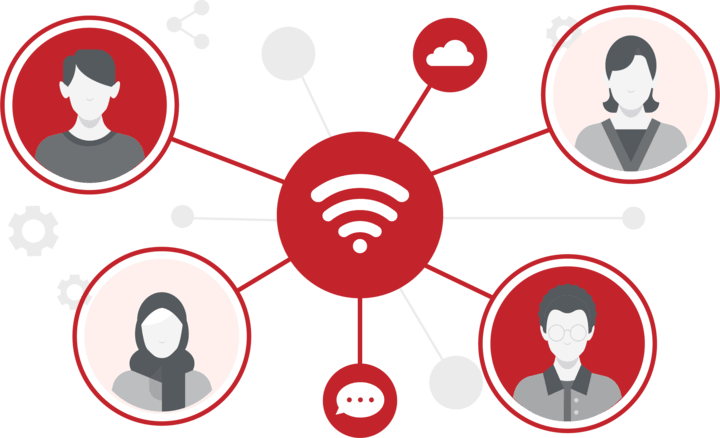
A captive portal is a web page that users of a public network see before they can access the internet, and they cannot use the network without entering their credentials there. In fact, a captive portal is a dedicated internet access gateway used for managing internet access in public spaces.
Mita Captive Portal is essential for any organization that receives guests and wants to provide internet access not only to employees but also to visitors. The main goal of a captive portal or internet access gateway is to authenticate guest users before granting internet access. Mita protects your organization against legal liabilities and the potential risks of unknown individuals connecting to your internet network. With Mita, guest users’ bandwidth usage, internet speed, and download limits can be configured individually, giving your organization greater control over network resource usage.
What organizations need the Mita Captive Portal?
Hotels
Healthcare Centers
Conference Halls
Recreational and Commercial Centers
Passenger Terminals and Airports
Restaurants and Cafés
Mita Captive Portal and Its Benefits in Public Spaces
Mita Captive Portal is a product of Pars Pouyesh Fanavar that enables organizations to provide public internet over Wi-Fi, LAN infrastructures, or carrier-class networks without regulatory or compliance concerns. By using Mita, your organization can have a customized login page aligned with your business identity, which users must pass through before connecting to the public Wi-Fi network. After entering their credentials, users are authenticated in Mita and validated against the authorized user database. Alongside IBSng accounting software, this system can automatically handle new user registration, generate valid access credentials, and provide internet access to them. All of this can be accomplished with a one-time system setup and without the need for human intervention.
Building a visitor database for marketing purposes
Significant reduction in the cost of providing public internet to visitors
Increased visitor satisfaction during waiting times through high-speed internet service
Improved security of guest users’ internet access
Disadvantages of Providing Shared Internet in Public Places
- Assigning a single identity to a large number of users
- Reduced quality of internet access for users (QoS)
- Risk of cybercrime by malicious users and inability to identify the offending user
- Inability to categorize users for bandwidth monitoring