

What is Flow Insight?
Data centers are the primary hubs for data storage and the uninterrupted flow of information worldwide; everything from business databases to content generated on social platforms is stored in data centers. A massive volume of traffic is transferred within data centers, making its analysis a major concern. Furthermore, maintaining data centers poses challenges for managers, and a solution is required to address these challenges to ensure continued operation and service improvement.
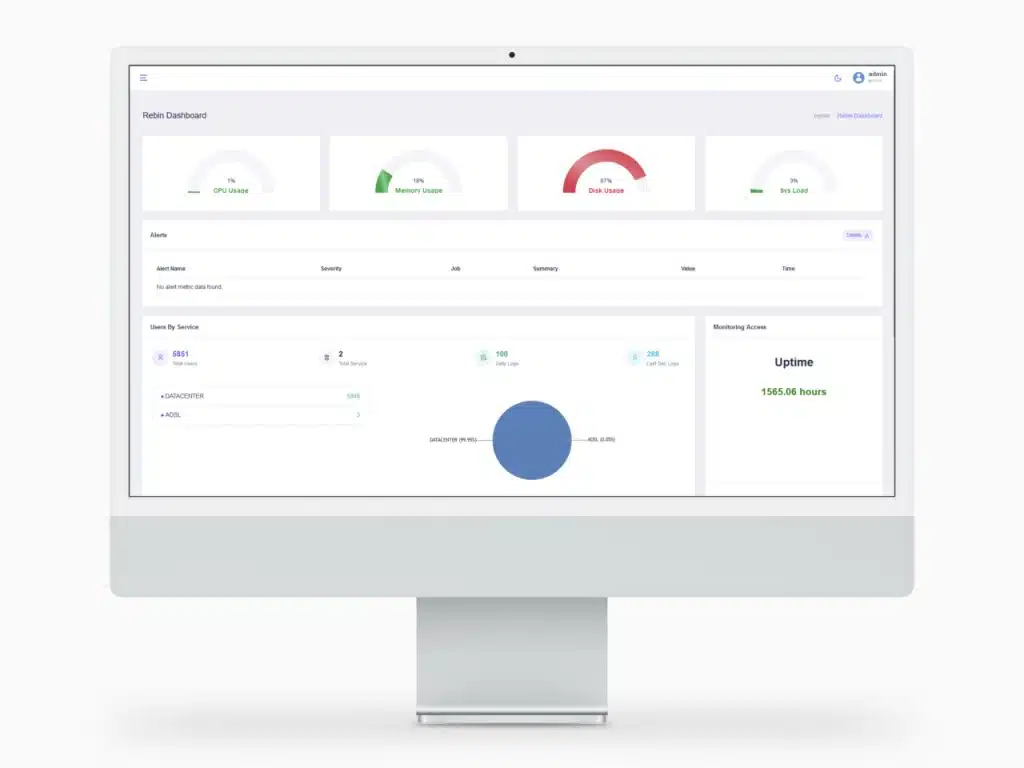
Data Center Maintenance Challenges
Compliance with Communications Regulatory Authority (CRA) Requirements
Due to the increasing internet consumption by servers located in data centers, virtual machines hosted in data centers are legally required to provide their consumption logs to the Communications Regulatory Authority. This issue has driven data centers to adopt log generation and transmission solutions that comply with the regulatory authority’s standards. Failure to record and submit these logs to the Communications Regulatory Authority can lead to the revocation of the data center or FCP license.
Calculating Subscribers' Consumption Rate
Every data center provides its subscribers with various resources, including RAM, disk, CPU, and bandwidth. Since one of the common service payment models in cloud services is Pay-As-You-Go (or a combination of it with subscription models), it is essential to calculate the subscribers’ consumption in real-time to prevent financial losses for the data center. Additionally, data centers need a solution to downgrade the service quality or cut off access for these users if the Pay-As-You-Go subscribers exceed their consumption limits. This prevents issues such as subscriber Bill Shock and financial losses for the data center.
Calculating Traffic Sent to Various Destinations and Data Center Settlements
A high volume of traffic is exchanged between data centers daily. Data centers incur costs for the traffic sent to other destinations. This traffic, transferred by the users of each data center to other data centers, results in the issuance of financial invoices between data centers; therefore, managers need a data center traffic analysis system to monitor the amount of traffic directed towards various destinations in order to control and verify invoices. This prevents calculation discrepancies and financial waste, allowing data centers to have a transparent view of the traffic sent to other data centers.
Value-Added Service Calculations for Offering Half-Priced or Free Traffic
Given the increasing user consumption of content services such as VoD, the traffic sent to and received from these services is of great importance to data centers. Data centers prefer to host high-consumption services on their private network to reduce costs and generate revenue; therefore, data centers require a system to detect these services so that, by offering suitable proposals, they can share in the profitability of these platforms or avoid paying costs for using these services. Flow Insight can identify and categorize various types of traffic in data center exchanges, such as access to cloud storage, video streaming, API-based communications, and more. This classification enables effective traffic management and the formulation of appropriate payment strategies.
Detecting Malicious and Abnormal Traffic
Data centers often have multiple layers of physical and digital security measures to protect sensitive data. Due to the high volume of traffic passing through data centers, detecting malicious traffic is highly complex and requires extensive resources. The Flow Insight system, with its traffic log recording and traffic categorization capabilities, has the ability to detect malicious traffic and sensitive destinations.
Maintaining Quality of Service (QoS)
The growth rate of resource consumption and bandwidth required by data center subscribers does not follow a fixed and linear pattern. Therefore, to prevent resource shortages and maintain the quality of service level, there is a need to use tools for continuous monitoring of the status changes of available resources and providing accurate forecasts for the future. By generating reports and sending timely alerts, this tool helps data centers increase resources before a problem occurs, preventing potential subscriber dissatisfaction.
Compliance with Communications Regulatory Authority (CRA) Requirements
Due to the increasing internet consumption by servers located in data centers, virtual machines hosted in data centers are legally required to provide their consumption logs to the Communications Regulatory Authority. This issue has driven data centers to adopt log generation and transmission solutions that comply with the regulatory authority’s standards. Failure to record and submit these logs to the Communications Regulatory Authority can lead to the revocation of the data center or FCP license.
Calculating Subscribers' Consumption Rate
Every data center provides its subscribers with various resources, including RAM, disk, CPU, and bandwidth. Since one of the common service payment models in cloud services is Pay-As-You-Go (or a combination of it with subscription models), it is essential to calculate the subscribers’ consumption in real-time to prevent financial losses for the data center. Additionally, data centers need a solution to downgrade the service quality or cut off access for these users if the Pay-As-You-Go subscribers exceed their consumption limits. This prevents issues such as subscriber Bill Shock and financial losses for the data center.
Calculating Traffic Sent to Various Destinations and Data Center Settlements
A high volume of traffic is exchanged between data centers daily. Data centers incur costs for the traffic sent to other destinations. This traffic, transferred by the users of each data center to other data centers, results in the issuance of financial invoices between data centers; therefore, managers need a data center traffic analysis system to monitor the amount of traffic directed towards various destinations in order to control and verify invoices. This prevents calculation discrepancies and financial waste, allowing data centers to have a transparent view of the traffic sent to other data centers.
Value-Added Service Calculations for Offering Half-Priced or Free Traffic
Given the increasing user consumption of content services such as VoD, the traffic sent to and received from these services is of great importance to data centers. Data centers prefer to host high-consumption services on their private network to reduce costs and generate revenue; therefore, data centers require a system to detect these services so that, by offering suitable proposals, they can share in the profitability of these platforms or avoid paying costs for using these services. Flow Insight can identify and categorize various types of traffic in data center exchanges, such as access to cloud storage, video streaming, API-based communications, and more. This classification enables effective traffic management and the formulation of appropriate payment strategies.
Detecting Malicious and Abnormal Traffic
Data centers often have multiple layers of physical and digital security measures to protect sensitive data. Due to the high volume of traffic passing through data centers, detecting malicious traffic is highly complex and requires extensive resources. The Flow Insight system, with its traffic log recording and traffic categorization capabilities, has the ability to detect malicious traffic and sensitive destinations.
Maintaining Quality of Service (QoS)
The growth rate of resource consumption and bandwidth required by data center subscribers does not follow a fixed and linear pattern. Therefore, to prevent resource shortages and maintain the quality of service level, there is a need to use tools for continuous monitoring of the status changes of available resources and providing accurate forecasts for the future. By generating reports and sending timely alerts, this tool helps data centers increase resources before a problem occurs, preventing potential subscriber dissatisfaction.
انطباق با الزامات سازمان تنظیم مقررات رادیویی
باتوجهبه افزایش میزان مصرف اینترنت توسط سرورهای موجود در دیتاسنترها، ماشینهای مجازی مستقر در دیتاسنترها بر طبق قوانین ملزم هستند لاگ مصرف خود را به سازمان تنظیم مقررات رادیویی ارائه دهند. این موضوع باعث شده است که دیتاسنترها به راهکارهای تولید و ارسالکننده لاگ مطابق با استاندارد سازمان تنظیم روی بیاورند. عدم ثبت و ارائه این لاگ به سازمان تنظیم مقررات رادیویی میتواند باعث لغو مجوز دیتاسنتری یا FCP شود.
محاسبه میزان مصرف مشترکین
هر دیتاسنتر منابع متفاوتی از جمله رم، دیسک، پردازنده و پهنای باند را در اختیار مشترکین خود قرار میدهد. از آن جایی که در سرویسهای ابری یکی از مدلهای رایج پرداخت هزینه سرویس Pay As You Go (یا ترکیبی از آن و مدلهای خرید اشتراک) است، لازم است میزان مصرف مشترکین بهصورت در لحظه محاسبه شود تا از زیان مالی دیتاسنتر جلوگیری شود. همچنین دیتاسنترها نیاز به راهکاری دارند تا در صورت تجاوز مصرف مشترکین Pay As You Go، کیفیت سرویس این کاربران کاهش یافته یا دسترسی آنها به سرویس قطع شود. این امر موجب پیشگیری از مواردی مانند Bill Shock مشترکین و زیان مالی دیتاسنتر میشود.
محاسبه ترافیک ارسال شده به مقاصد مختلف و تسویه حساب دیتاسنترها
روزانه حجم بالایی از ترافیک بین دیتاسنترها تبادل میشود. دیتاسنترها بهازای ترافیک ارسال شده به مقاصد دیگر متحمل هزینه میشوند. این ترافیک که توسط کاربران هر دیتاسنتر به سایر دیتاسنترها منتقل میشود، باعث صدور صورتحسابهای مالی بین دیتاسنترها میشود؛ به همین دلیل مدیران به سامانهای برای تحلیل ترافیک دیتاسنتر نیاز دارند که میزان ترافیک روانه شده به سمت مقاصد مختلف را بهمنظور کنترل و صحتسنجی صورتحسابها مشاهده کند. این موضوع باعث پیشگیری از بروز اختلاف در محاسبات و هدررفت مالی شده و به دیتاسنترها اجازه میدهد دید شفافی از میزان ترافیک ارسال شده به سایر دیتاسنترها داشته باشند.
محاسبات سرویس ارزشافزوده برای ارائه ترافیک نیمبها یا رایگان
باتوجهبه افزایش استفاده کاربران از سرویسهای محتوایی نظیر VoD، ترافیک ارسال و دریافت شده به سمت این سرویسها برای دیتاسنترها اهمیت بسیاری دارد. دیتاسنترها تمایل دارند سرویسهایی که مصرف بالایی دارند را بهمنظور کاهش هزینه و همچنین ایجاد درآمد در شبکه اختصاصی خود داشته باشند؛ بنابراین دیتاسنترها به سامانهای جهت تشخیص این سرویسها نیاز دارند تا بتوانند با ارائه پیشنهادات مناسب، در سودآوری این پلتفرمها شریک شده یا از پرداخت هزینه برای استفاده از این سرویسها پیشگیری کنند. Flow insight میتواند انواع مختلف ترافیک در مبادلات دیتاسنتر مانند دسترسی به فضای ذخیرهسازی ابری، استریم ویدیو، ارتباطات مبتنی بر API و… را شناسایی و دستهبندی کند. این طبقهبندی امکان مدیریت موثر ترافیک و تدوین استراتژیهای پرداخت مناسب را فراهم میکند.
تشخیص ترافیک مخرب و غیرطبیعی
دیتاسنترها اغلب دارای چندین لایه از اقدامات امنیتی فیزیکی و دیجیتالی برای محافظت از دادههای حساس هستند. باتوجهبه حجم بالای ترافیک عبوری در دیتاسنترها، تشخیص ترافیک مخرب بسیار پیچیده و نیازمند منابع گسترده است. سامانه فلو اینسایت باتوجهبه ثبت لاگ ترافیک و قابلیت دستهبندی ترافیکها، توانایی تشخیص ترافیکهای مخرب و مقاصد حساس را دارد
حفظ کیفیت سرویس (QoS)
رشد میزان مصرف منابع و پهنای باند مورد نیاز مشترکین دیتاسنترها از الگوی ثابت و خطی پیروی نمیکند. ازاینرو برای پیشگیری از کمبود منابع و حفظ سطح کیفیت سرویس، نیاز به استفاده از ابزارهایی برای رصد دائمی تغییرات وضعیت منابع در دسترس و ارائه پیشبینی صحیح از آینده وجود دارد. این ابزار با تولید گزارشات و ارسال اعلانات بهموقع، به دیتاسنترها کمک میکند پیش از بروز مشکل اقدام به افزایش منابع نمایند و از نارضایتی احتمالی مشترکین پیشگیری کنند.
A Comprehensive and Analytical Settlement Solution for Data Centers
Pars Pouyesh Fanavar, with years of experience in traffic analysis, has developed the comprehensive Flow Insight solution to address data centers’ concerns regarding regulatory matters and invoice calculations. Flow Insight can record and analyze traffic consumption patterns, set alerts for abnormal consumption (Anomaly), and provide data centers with comprehensive reports on the consumption of each Zone. These reports help in identifying usage trends, discovering network problems, conducting security analyses, optimizing network performance, preventing financial loss, and increasing data center profitability.
IBSng Telecom is recognized as a risk-free and effective solution for creating and stabilizing revenue streams for charging and billing. This system is a scalable and flexible solution that, while granting operators the ability to control subscriber credit, enables users to manage their costs through diverse and personalized service packages.
Why the Flow Insight Traffic Analysis Solution?
Horizontal scalability up to 100 Terabits per second of traffic
Integration with CRM and Self-care systems
User access control based on RBAC
Hierarchical categorization of Zones
Calculating customers' consumed traffic and occupied bandwidth separated by Zone
